
Moral Injury As A Reason For Burnout
By Asim Siddiqui

If one looks at any health and wellbeing magazines or even general social media/news articles, it feels like burnout is all around us. Not only people working in the corporate sector are facing burnout but even government employees like school teachers working as Booth Level Officers are facing burnout in the process of strict deadlines in updating the electoral rolls as part of SIR (sometimes even leading to deaths in Gujarat, Tamil Nadu, Bengal and other states). Burnouts are happening for professors and students in universities as well as for non-profit development sector employees working in NGOs. Some reasons are possibly specific to each sector and variations exist in the nature of burnouts but there are some common factors affecting all of us leading the world to a burnout epidemic.
In his book Bullshit Jobs, David Graeber claims that a larger proportion of modern labour has become bureaucratic, performative, disconnected from real social purpose, and maintained due to political/economic inertia. He further goes onto the identify different kinds of bullshit jobs like flunkies, goons, duct-tapers, box-tickers, and taskmasters (Graeber 2018). He also highlights that even though many jobs may not be completely labelled as bullshit job and possibly have deeply meaningful aspects to it (like teachers, nurse, etc) but some proportion of it (and increasingly large proportions) has become dry and meaningless.
Apart from the usual culprits of overworking with quick deadlines and bullshitization of jobs discussed above, there are few more reasons leading to burnouts like moral injury, meaninglessness crisis, purpose void, alienation, productivity pressure, valorizing busyness, etc. Among these I want to highlight one which is hardly spoken of as an important reason for burnout i.e. Moral Injury.
Moral injury is a kind of psychological harm that is caused when individuals must act against their moral beliefs (Litz et al., 2009). Sometimes this is also called a misalignment burnout when your values contradict with either the work that you are doing or the organization’s practice of values. In such cases even if the workload is not very high, employees feel burnt out due to doing something that goes against their core values and beliefs. This coinage comes from military context when soldiers need to follow orders that are immoral but is now becoming more common across sectors. Teachers being encouraged to talk against students, development practitioners being asked to do things that may go against community interests, government or corporate employees being tied up in bureaucratic huddles giving them no time to do the work they like, etc ending up in futile busyness. Thus, we need to go beyond our understanding of classical burnout caused due to physical/mental exhaustion to also engage with moral/existential exhaustion to address the burnout culture that we have created for ourselves in all the different sectors.
Asim Siddiqui, PhD is a faculty of Philosophy and Development Studies at the Azim Premji University India. His research interest lies in Liberation philosophy and psychotherapy for deepening democracy and creating a compassionate society. He collaborates with several youth focused organisations to facilitate critical thinking and emotional capacity building workshops while engaging with issues of social justice.
Drawing slows me down
By Debosmita Dam
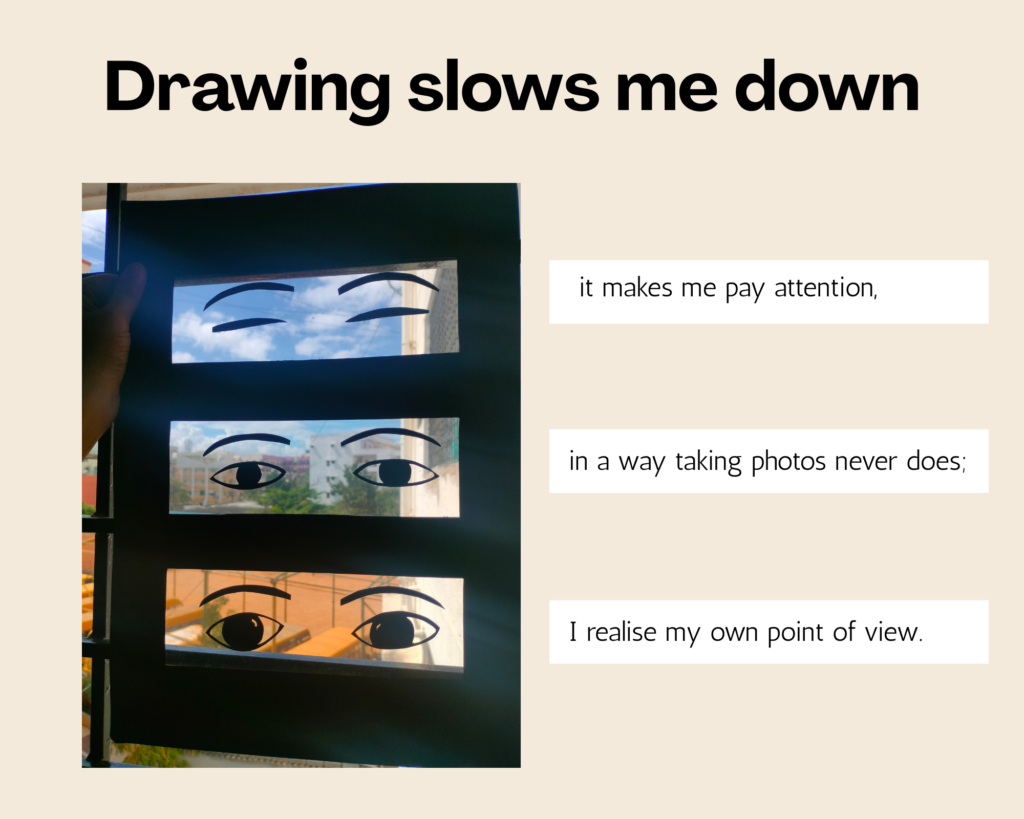
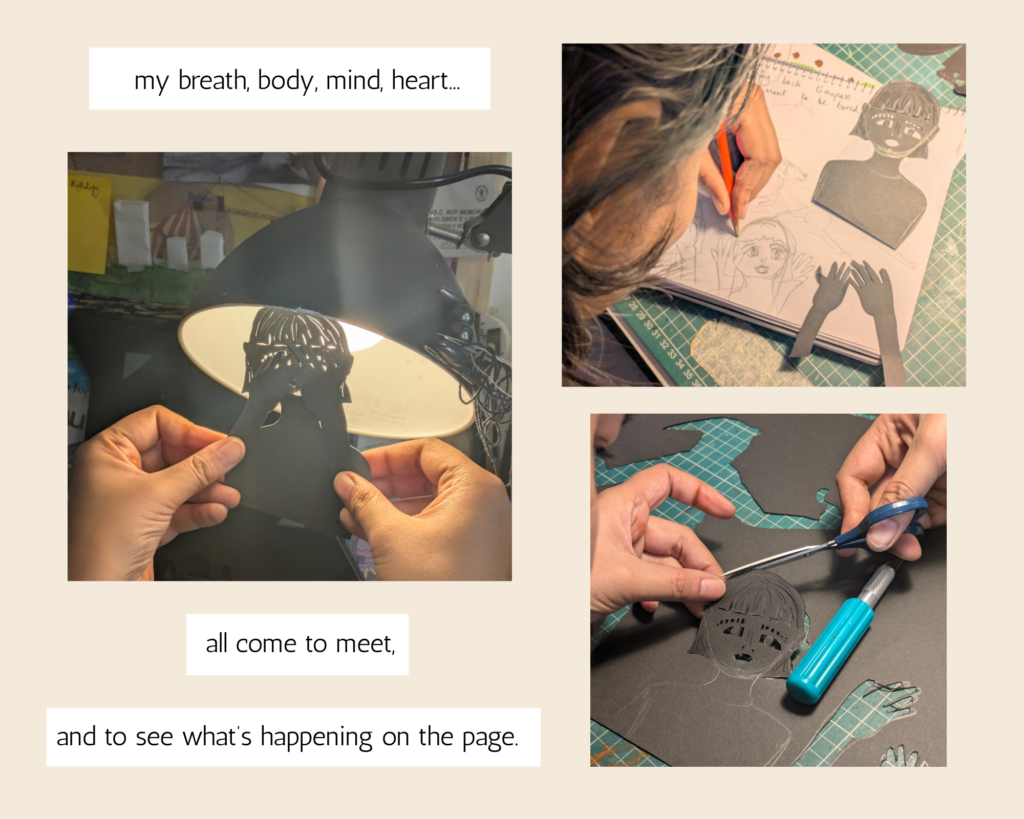
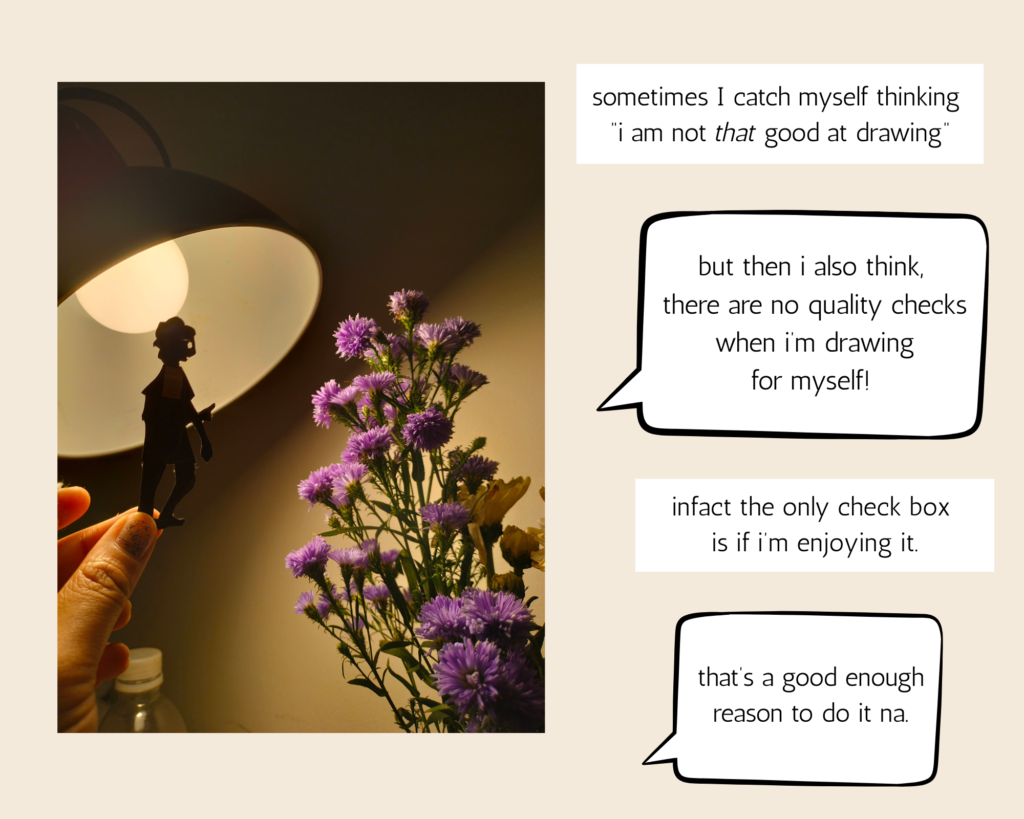
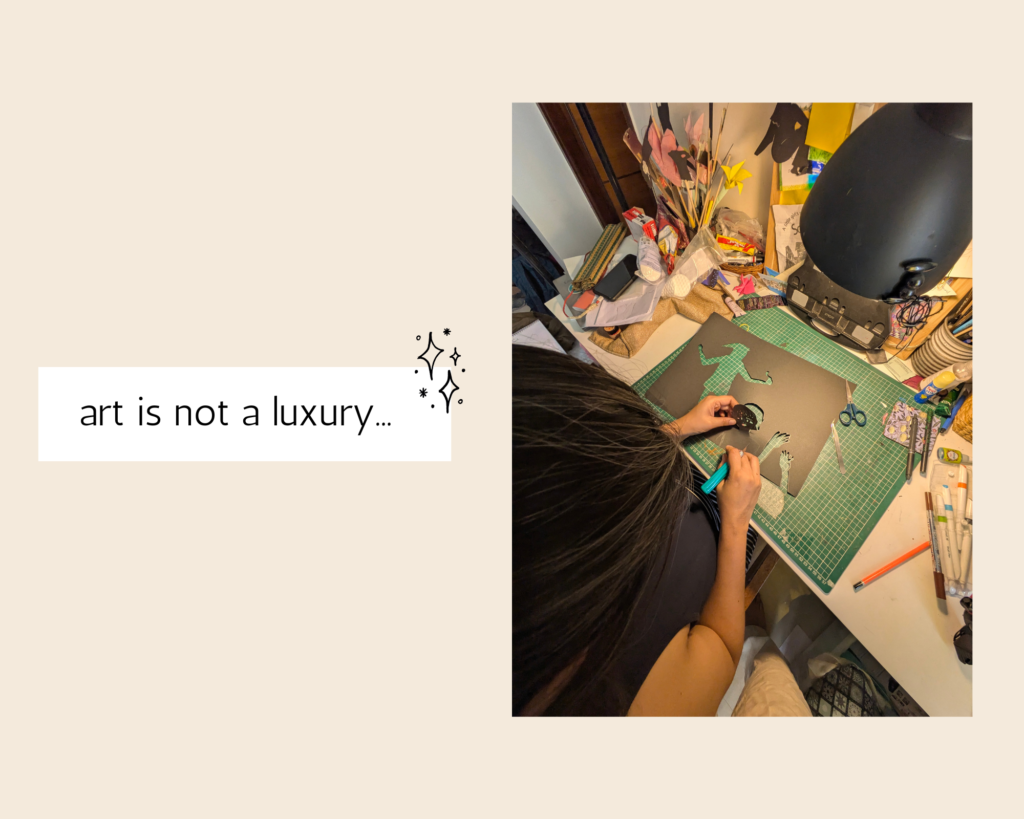
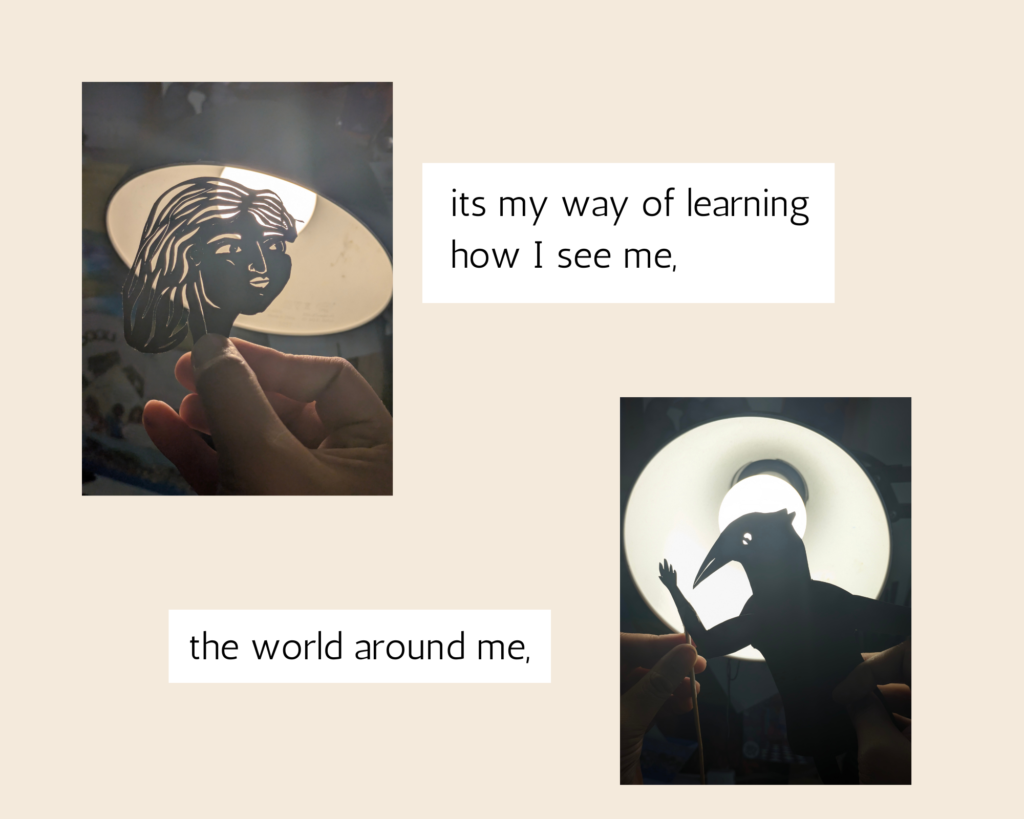
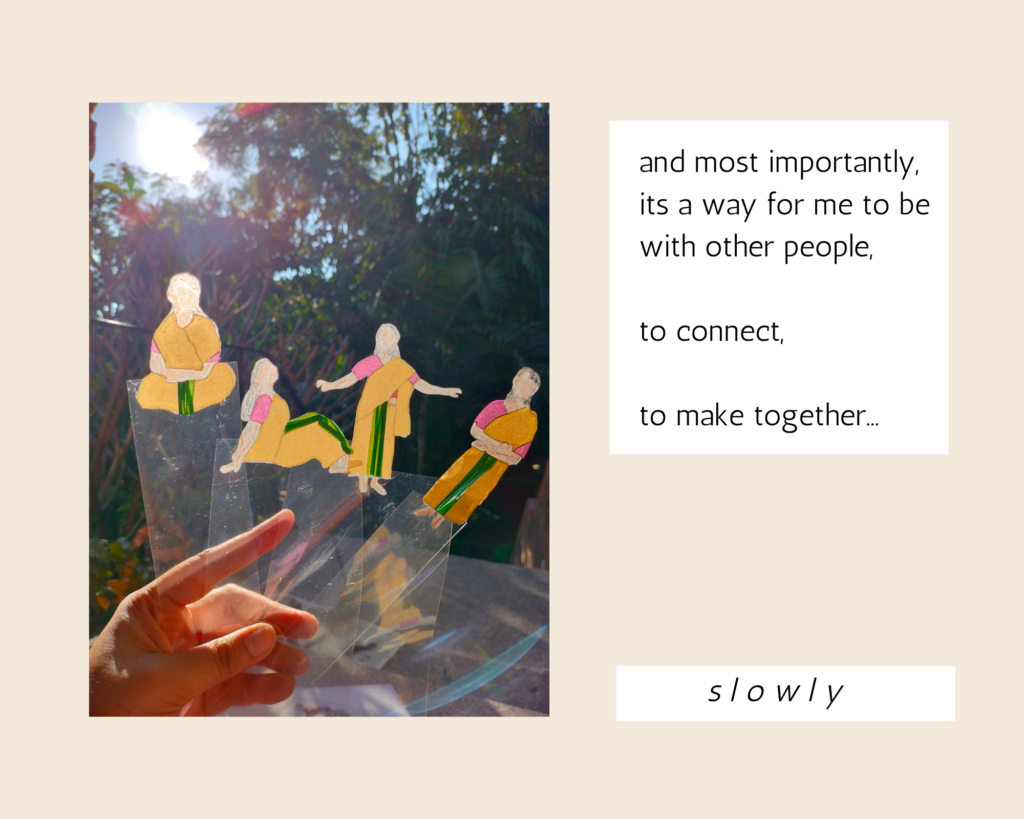
Debosmita Dam is a puppeteer, educator, and filmmaker based in Bangalore. Her practice lies at the intersection of arts, health, and education. As an applied puppeteer, she works in diverse spaces such as community libraries, museums, clinics, schools and universities. She also works extensively with materials, creating installations for museums and exhibitions, designing puppets across forms such as bunraku-style and contemporary shadow, for performances and puppet films. Some of her puppet films are The Puppet Doctor, Shadows of Mischief and Knot In Line.
With FAHI, she designs and facilitates workshops that invite people to explore creativity as a path to well-being, connection, and community. She specialises in shadow puppetry and stop-motion animation, and her films have been recognised at international puppet film festivals. She is the brain child behind, ‘Kalajinagara- concern city’, a film that documents the learnings from ‘Conversations in Drama’ series. The film uses shadow puppetry as a form to speak about care and mental health in the city of Bangalore. She finds joy in reading illustrated children’s books, napping in nature, playing board games, and sketching the people around her.